Home / Blog / The Tire Technician Shortage
INDUSTRY DATAThe Tire Technician Shortage: What It Means for Fleets Weighing In-House Retreading
Trade press is calling it a structural labor problem, not a cyclical one. Here's what the 2026 data actually shows, and what it means for staffing a shop rather than depending on someone else's.
Published September 11, 2026 · Good Hope Retreaders
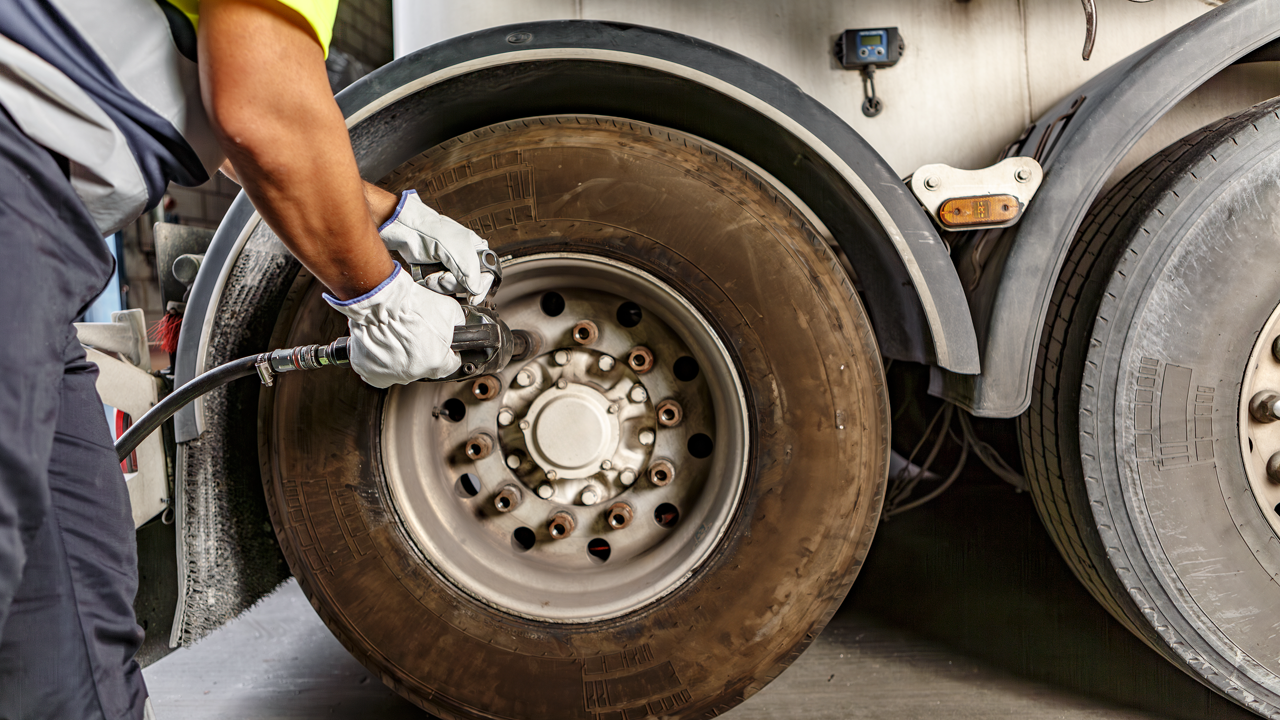
Most of the case for in-house retreading is made on hardware and cost per tire. There's a labor question underneath both that gets less attention: can you actually staff the line? Trade press covering the retread sector in 2026 has been direct about this — FleetOwner reported that US truck tire retreaders are navigating rising operating costs, labor shortages, and sustained pricing pressure from low-cost imported new tires, all at once. That's not a reason to avoid staffing your own shop. It's a reason to plan the hiring and training side with the same rigor as the equipment order.
What the shortage actually looks like
The pattern reported across the tire service trade press in 2026 is consistent: a structural shortage of qualified technicians, concentrated at the certified, commercial, and earthmover tier — exactly the skill level a retread line needs, not entry-level passenger-tire work. The core issue isn't a sudden hiring freeze; it's a pipeline problem, with the experienced cohort aging toward retirement faster than training programs are producing replacements, and fewer new entrants choosing technical programs as other paths compete for the same young workforce.
Wage data backs up that this isn't a low-skill role being priced accordingly. Government occupational wage data classifies tire repairers and changers separately from general automotive technicians, and industry salary surveys put typical tire technician pay in the $16–$27/hour range depending on employer and location — a band that reflects real, in-demand skill, not entry-level turnover work.
What a retread line actually needs, staffing-wise
Our cost-to-set-up guide already flags the core roles: a buffer operator and a builder are the skilled positions a small precure line runs on, with inspection and skiving work often handled by the same small team. None of those are jobs you can safely staff with zero training and hope the equipment compensates — buffing texture, skive shape, and build quality are exactly the steps our buffing and rasping guide and tire building guide cover as the difference between a retread that holds and one that fails months later. Undertrained staff on those stations is how a shop turns cheap equipment into an expensive bond-quality problem.
Where real training actually exists
The Tire Industry Association (TIA) runs the industry's standard certification path for commercial tire work. Its Commercial Tire Service (CTS) program is built for technicians with meaningful hands-on experience already — TIA's own program requirements call for at least two years in the field before a technician can sit for full CTS certification — and covers the skills a commercial shop, retread lines included, actually runs on. TIA also runs Automotive Tire Service (ATS) at the entry level for lighter-duty work, and continues to expand its own instructor pipeline: the association added a new CTS Instructor course to its 2026 schedule, a four-day program run in Nashville in October, specifically to grow the number of people who can train others. That instructor investment is itself a signal of how tight the qualified-trainer pool has gotten.
The practical read for a fleet planning its own line: budget real weeks, not days, for a new buffer or build technician to reach independent competence, and treat TIA's CTS pathway as the benchmark to hire toward or train up to — not a nice-to-have certificate. A shop that skips this step is the one most exposed to the shortage; a shop that builds a training pipeline from day one is competing for talent on skill development rather than bidding wars alone.
The bottom line for an in-house decision
A documented, industry-wide technician shortage doesn't change the underlying economics of running your own retread line — the casing-cost math in our fleet ROI guide and the lock-in argument in our franchise-lock-in piece still hold. What it changes is the plan: staffing has to be treated as its own workstream, with a realistic training timeline through TIA's certification path, not an assumption that competent buffer and build operators are simply available to hire when the equipment arrives. Fleets that plan for that lead time avoid the most common failure mode in going in-house — good machinery, undertrained hands.
RELATED GUIDES
Planning the equipment side of your line?
We supply the machinery, tooling, and consumables for an in-house retread line with transparent all-in Canadian pricing and delivery from our Ontario warehouse — manufacturer-direct, no distributor markup. Tell us your volume and tire sizes and we'll help you spec a line that fits your shop and your team.
Get an equipment quote →Ask About Setting Up Your Own Line
Send us your requirements and we'll get back to you within 24 hours with pricing and lead times — no obligation.