Home / Blog / Franchise Lock-In vs. Running Your Own Retread Line
FLEET STRATEGYThe Real Cost of Franchise Lock-In vs. Running Your Own Retread Line
Retreading's cost advantage is well documented. What's less discussed: for a fleet running enough volume, who controls the equipment changes the economics again.
Published August 30, 2026 · Good Hope Retreaders
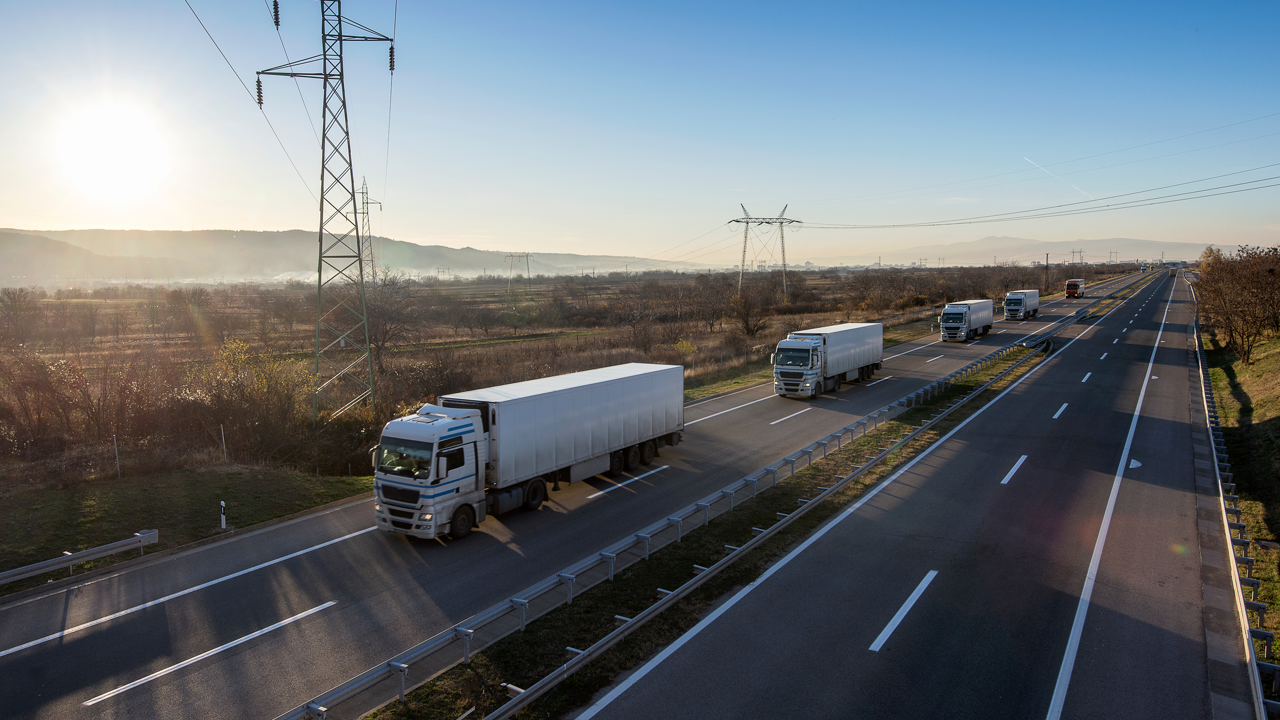
Almost every fleet operator already knows retreading saves money. What gets discussed far less is who runs the equipment — and that decision has its own, separate economics that stack on top of the retread-vs-new savings everyone already agrees on.
Most fleets access retreading through a single external, branded network's plant. That's a reasonable choice below a certain volume. But it also means the fleet's tire program runs on that network's capacity, scheduling, and pricing — not the fleet's own. For an operator running enough trucks to justify it, that's a structural disadvantage worth pricing out honestly.
The retreading math nobody disputes
Start with what's settled. A retreaded commercial tire typically costs 30–50% of a comparable new tire, and that gap holds up over the full lifecycle, not just at purchase — the Tire Retread & Repair Information Bureau (TRIB) reports the economics consistently favor retreading once fleets track cost per mile rather than sticker price. Tire spend typically runs 10–15% of a commercial fleet's total operating budget, and fleets that combine retreading into a managed tire program can cut total tire-related expense by 35–45%, according to recent industry reporting on the retreading sector's 2026 outlook.
None of that changes based on who owns the curing chamber. A retread costs roughly the same fraction of a new tire whether it comes out of a franchised network's plant or your own shop floor. So the case for in-house isn't "retreading is cheaper" — everyone already knows that. It's about what changes once the equipment, and the schedule it runs on, belongs to you.
What actually changes when you own the line
Recent industry coverage of the U.S. retreading sector's 2026 conditions describes commercial fleets consolidating their tire spend around multi-year service contracts, and retread networks responding by reallocating plant capacity toward their highest-volume fleet accounts. That's a rational move for a network managing finite plant hours across many customers — but it means a fleet's turnaround time and scheduling priority are set by someone else's book of business, not the fleet's own dispatch calendar.
Running your own line removes that variable entirely. The pace of your retread program becomes a function of your own equipment and your own staffing — not a queue position inside a plant that's also serving other accounts. For a fleet with the volume to keep a line busy, that's the real value of independence: not a lower per-tire price (which is already competitive either way) but control over when tires come back into service.
Casing ownership without the credit-system friction
There's a second, quieter cost to routing casings through an external program: casing credit rules. Retreaders are generally most comfortable crediting casings turned in as matched sets of four or eight from recognized, well-tracked brands — which means a fleet's casing management has to be built around someone else's credit system, not just its own maintenance records. Trade coverage on protecting casing value is consistent on this point: maximizing what a casing is worth over its life requires disciplined tracking through the entire retread cycle, generation by generation — exactly the kind of dedicated attention that a stretched maintenance department often can't sustain when the casing has to leave the yard to get retreaded at all.
When a fleet runs its own line, that friction mostly disappears. A casing goes from service, to inspection, to the buffer, to the tread builder, to the cure, and back into rotation without ever changing hands. There's no matched-set negotiation and no dependency on another company's inventory system to know what a given casing is worth or where it is in its life. You're not managing a credit relationship — you're managing your own asset.
Scale is where this stops being theoretical
TRIB reports that roughly 90% of fleets running 1,000 or more trucks already use retread tires — at that scale, the question of whether to retread is essentially settled. What's still an open decision is how: through a franchised network's plant, or through equipment the fleet controls directly. A large, steady casing volume is exactly what justifies the capital cost of a line in the first place — the same volume that makes a fleet valuable to an external network's capacity planning is the volume that makes running your own equipment pencil out.
The oil-savings case for retreading scales the same way and reinforces the point: TRIB figures put new medium-truck tire manufacture at roughly 22 gallons of oil versus about 7 gallons to retread, and three retread cycles on a single casing save roughly 45 gallons of oil compared with buying new each time — across 18 tires on a single tractor-trailer, that's on the order of 810 gallons saved over the rig's tire life. That benefit accrues whoever runs the equipment. But a fleet that controls its own line also controls utilization and cycle count directly, rather than depending on an external plant's throughput decisions to capture it.
What this isn't
To be clear about the shape of this argument: this isn't a claim that any specific franchised or branded retread program is anti-competitive, and it isn't a case built on a fleet's invented savings figure. It's a structural point that applies to single-supplier dependency generally — the same logic that makes a business wary of having one vendor for a critical, high-volume input. Below a certain tire volume, using an external network is simply the more efficient choice, and that's fine. This is about the point where volume flips the math the other way.
Where Good Hope fits
We're not a retread franchise, and we're not asking you to hand your tire program to us — we help fleet operators build their own. We're a manufacturer-direct supplier of the machinery, consumables, components, and repair tools a retread line actually runs on, with local Ontario service and transparent all-in Canadian pricing — no quote-wall guessing games. If your volume justifies bringing retreading in-house, our dedicated team of qualified engineers and technicians works with you to plan and set up your retread plant from scratch — layout, equipment specification, installation, and commissioning — and then keeps it supplied on an ongoing basis. The plant is yours to run; we make sure it's built right and stays supplied. See our breakdown of what it actually costs to set up a retread shop and the full equipment buyer's guide for the specifics.
RELATED GUIDES
Thinking about bringing retreading in-house?
Tell us your fleet's tire sizes and volume and we'll help you work out whether a line pays for itself at your scale — with transparent, all-in Canadian pricing on the equipment and consumables to run it.
Talk to us about your own line →Ask About Equipping Your Own Retread Line
Send us your requirements and we'll get back to you within 24 hours with pricing and lead times — no obligation.