Home / Blog / Buffing & Rasping: Casing Prep and Bond Quality
EQUIPMENT GUIDEBuffing & Rasping: The Casing-Prep Step That Determines Retread Bond Quality
Shops spend a lot of attention on curing method and tread pattern. The step that most directly decides whether the new tread actually stays bonded to the casing happens earlier — on the buffer.
Published August 31, 2026 · Good Hope Retreaders
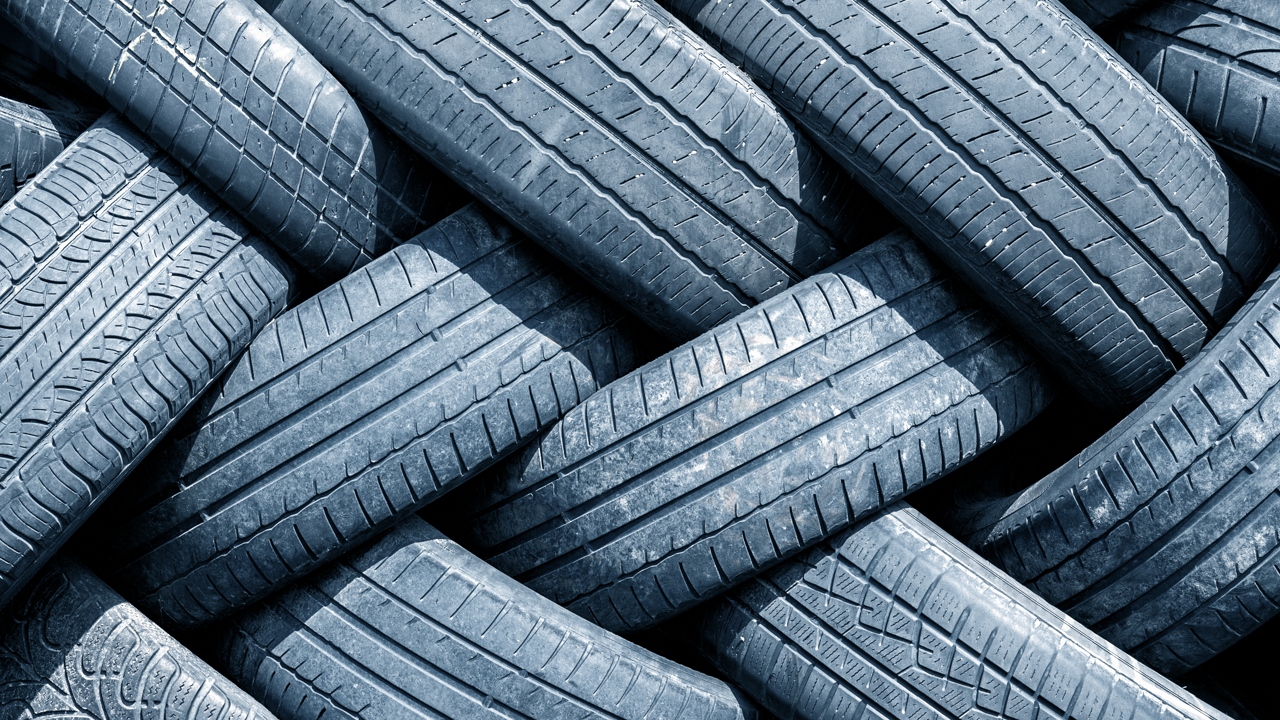
Ask a shop what determines whether a retread holds up, and most people talk about the cure — temperature, pressure, dwell time — or the tread compound. Fewer people talk about buffing. But buffing is the step that creates the actual bonding surface the new tread and cushion gum attach to. Get it wrong, and no cure cycle or premium tread rubber fixes it after the fact.
What buffing actually does
A buffing machine mounts the casing and rotates it against a rasp hub — a wheel whose outer perimeter carries a set of rasp blades. As the casing turns, the blades shear away the worn tread in strands, removing the old rubber down to a clean, sound base. That much is straightforward material removal. What makes buffing more than just "grinding off the old tread" is that the blades also leave behind a specific surface texture, and that texture is what determines how well the new material bonds during cure — it increases the surface area available for adhesion and removes oxidized rubber that wouldn't bond well regardless of texture.
Why texture, not just removal, is the point
This is where a lot of shop-floor intuition ("rougher is better") is actually wrong. The Tread Rubber and Tire Repair Materials Manufacturers' Group (TRMG) — jointly with the Tire Retread & Repair Information Bureau (TRIB) and the Tire Industry Association (TIA) — publishes the industry reference standard for this: BTS6, "Standard Buffing Textures for Tire Retreading and Repairing" (Recommended Practice RP-01/02-23), which defines six molded reference texture classifications that technicians compare a buffed casing against. It exists precisely because texture is not a "more is better" variable — it's a target you hit.
Uniformity matters as much as the texture grade itself. A buff that's too coarse or uneven leaves grooves that can trap air during assembly — that trapped air keeps the tread from making full, continuous contact with the cushion gum during cure, weakening the bond right where it needs to be strongest. A companion TIA/TRMG practice, RP-01-01, "Tire Profiling for Retreading", covers the profiling side of the same job — buffing the casing to the correct radius and contour for the tread being applied, whether that's a precured tread or a mold-cure pattern.
The equipment behind it
The rasp blades that do this work aren't all the same. Blade teeth are arranged around the hub to project either radially or axially depending on the hub design, and different blade geometries suit different parts of the job — buffing blades for general tread removal, contoured cone rasps and curved cup rasps for shoulder and sidewall transitions, and radius cup contour rasps or radius-faced circular rasps for shaping the crown to the tread's mating profile. A worn or damaged rasp blade doesn't fail cleanly — it produces an inconsistent buff texture across the casing, which is exactly the uniformity problem the BTS6 standard exists to catch. Checking rasp assembly condition is routine maintenance, not an afterthought.
The two ways to get it wrong
Under-buffing leaves oxidized or otherwise unsuitable rubber on the surface, along with a texture that doesn't hold cement and cushion gum properly — the bond starts weak and stays weak. Over-buffing is the more expensive mistake: buffing too deep risks cutting into the casing's steel belt package. If a steel belt is damaged in any meaningful way, the casing isn't repairable — it has to be scrapped, and every dollar of retread value that casing still had is gone. That's why automated buffers increasingly pair the rasp with continuous undertread-measurement systems, so the operator isn't relying on eye and feel alone to stop at the right depth.
Buffing records — what was removed, to what profile, on which casing — are also part of what a shop should be able to show if a retread's history is ever questioned. It's the same discipline this blog covers in our casing inspection guide: the work that happens before the tire goes into the mold is what the finished retread's quality actually rests on.
Worth getting right
This isn't a niche corner of the process. The global tire retreading equipment market — buffers, builders, curing systems, and the rest of the line — is projected to grow from roughly USD 547.0 million in 2025 to USD 899.6 million by 2035, a 5.1% CAGR, according to Future Market Insights' retreading-equipment market report. Buffing is one of the first stations a casing passes through on that line, and it's the one station where a mistake either can't be corrected downstream (under-buff) or ends the casing's life outright (over-buff). It's worth running equipment that makes hitting the right texture and profile repeatable, not something that depends entirely on operator feel every time.
RELATED GUIDES
Sourcing buffing equipment?
We supply buffing machines, rasp assemblies, and the full range of blade profiles direct from the manufacturer, with local Ontario service and transparent all-in Canadian pricing. Tell us your casing sizes and volume and we'll spec the right setup.
Get a buffing equipment quote →Ask About Buffing Machines & Rasp Blades
Send us your requirements and we'll get back to you within 24 hours with pricing and lead times — no obligation.