Home / Blog / Winter Tire & Chain Rules for Fleets
INDUSTRY & POLICYWinter Tire and Chain Rules for Canadian Fleets: What BC and Quebec Actually Require
Quebec's winter tire law exempts heavy trucks. British Columbia's targets them directly. What the two provinces actually require, what the 3PMSF symbol certifies, and whether a retread can carry it.
Published September 9, 2026 · Good Hope Retreaders
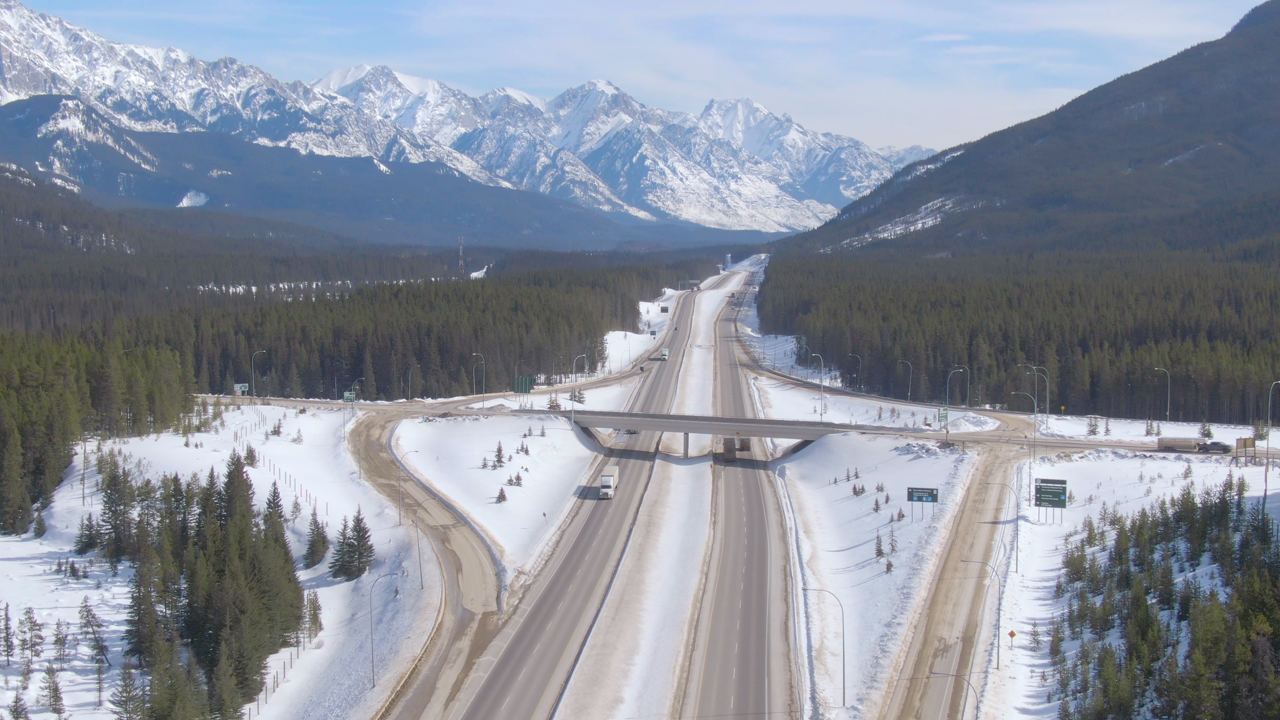
Ontario has no province-wide winter tire mandate, so a lot of Ontario-based fleet operators file "winter tire law" under someone else's problem. It stops being someone else's problem the moment a truck runs a lane through Quebec or British Columbia — and the two provinces don't just have different rules, they take almost opposite approaches to commercial vehicles.
Quebec: a mandate that exempts the trucks
Quebec's winter tire law is well known in general terms — from December 1 to March 15 inclusive, most vehicles registered in the province must run winter tires, per the Gouvernement du Québec's own published requirements, with fines of $200 to $300 for non-compliance. What's less widely known is who the law doesn't cover: heavy vehicles weighing 4,500 kg or more, and trailers, are exempt outright. So is any vehicle registered outside Quebec.
For a commercial fleet, that's the opposite of what the "Quebec requires winter tires" headline implies. The mandate is built around passenger vehicles. A tractor-trailer running through the province in January isn't required by this particular law to be running winter-rated rubber at all.
British Columbia: rules built specifically for commercial weight classes
BC runs the opposite structure. Its commercial vehicle tire and chain requirements, in effect October 1 through April 30 on designated routes, are tiered directly by vehicle weight:
- 5,000 kg – 11,794 kg LGVW — must carry chains or an acceptable traction device, unless the vehicle is equipped with tires carrying the 3-peak mountain snowflake (3PMSF) symbol or the M+S symbol.
- 11,794 kg LGVW and greater — tractor-trailers and similar combinations must carry steel chains on most major highways regardless of tire rating, and install them when chain-up signage or flashing amber lights are active.
The designated mountain routes are specific and well known to anyone running them regularly: the Coquihalla, Highway 1 through Kicking Horse and Rogers Pass, Highway 3, and Highway 97C. Fines for non-compliance range from $121 for not carrying chains up to $598 for failing to chain up when signage requires it.
For a fleet in the 5,000–11,794 kg class, the 3PMSF symbol isn't a nice-to-have — under BC's own rule, it's the specific thing that removes the chain-carrying requirement.
What the 3PMSF symbol actually certifies
The three-peak mountain snowflake isn't a marketing label — it's a defined performance standard. The U.S. Tire Manufacturers Association (USTMA), working with the Tire and Rubber Association of Canada (TRAC), introduced the symbol in 1999 to identify tires that pass a standardized snow traction test. USTMA's Tire Information Service Bulletin 50 sets out the specific definition for truck and bus tires: to qualify, a tire has to achieve a Snow Grip Index of at least 1.10 — in other words, at least 10% better traction than the ASTM E1136 standard reference tire — under the ASTM F1805 snow traction test on a medium-packed snow surface.
That's a tread-pattern-and-compound-specific result, tested and certified per tire design — not a blanket claim about a brand or a tire category.
Can a retread carry the 3PMSF symbol?
Yes — when it's built with a tread pattern that has itself passed the test. The certification lives in the tread design and compound, not in whether the casing underneath is new or retreaded. A retreaded tire built with a tread pattern already proven to meet the USTMA/TRAC severe-snow standard carries that same standing. Goodyear's commercial tire and service centres, for one example, list the BFGoodrich Route Control D as meeting USTMA snow traction and TRAC requirements when retreaded through an authorized retread dealer using that pattern.
What that means in practice: "retreaded" doesn't automatically mean disqualified from a chain-exemption requirement, and it doesn't automatically mean qualified either. It comes down to whether the specific tread pattern being applied is one that's actually earned the 3PMSF rating — the same question a fleet would ask about a new tire.
What this means for route planning
- Know your provinces, not just "winter driving in Canada." A fleet running Ontario-to-Quebec lanes is functionally exempt from Quebec's mandate on the truck itself; a fleet running BC mountain passes is squarely inside a weight-tiered rule that names specific highways.
- Check the tread pattern's own certification, not the tire's general reputation. Whether a given tire — new or retreaded — carries a genuine 3PMSF rating depends on the specific pattern and compound having passed ASTM F1805, not on the tire category.
- Chains are still the fallback everywhere they're required. BC's heaviest weight class has to carry steel chains on designated routes regardless of tire rating — a 3PMSF tire changes the requirement for the 5,000–11,794 kg class, not the chain rule for the largest combinations.
Where Good Hope fits
We're a manufacturer-direct equipment and consumables supplier with local Ontario service — we don't set tire certification standards, and we're not the ones testing tread patterns against ASTM F1805. What we do supply is the buffing, building, and curing equipment behind a retread line, so a fleet or shop running its own operation can apply whatever certified tread pattern actually fits its routes and season, rather than being limited to whatever a third-party retreader happens to stock. See our equipment buyer's guide for what a line needs end to end.
RELATED GUIDES
Running routes through BC or Quebec?
If your fleet is weighing whether to bring retreading in-house so you control which tread patterns go on which trucks, tell us your routes and volume and we'll help you think through what a line needs — transparent all-in Canadian pricing, no obligation.
Talk to us about your fleet's routes →Tell Us About Your Fleet's Routes
Send us your requirements and we'll get back to you within 24 hours with pricing and lead times — no obligation.