Home / Blog / Tire Pull Points
CASING GUIDETire Pull Points: Why Waiting for the Legal Minimum Costs You Casings
The legal tread-depth minimum is not the right time to pull a tire for retreading. What the published guidance says about pull points, why thin tread damages casings, and how to set a pull-point policy.
Published October 7, 2026 · Good Hope Retreaders
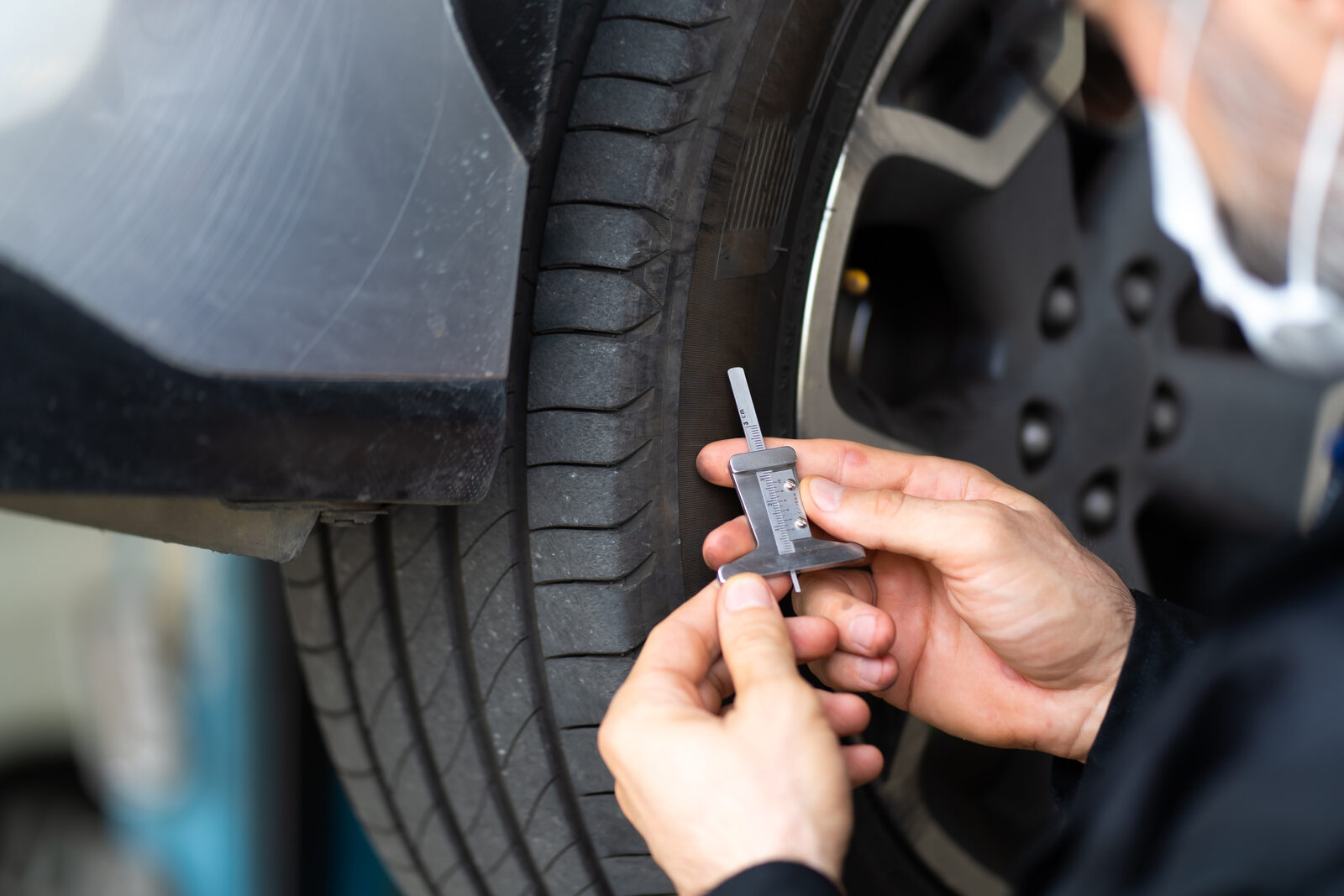
A drive tire is legal until its tread is down to 2/32 of an inch. That does not make 2/32 the right moment to take it off the truck. The depth at which you pull a tire decides whether the casing underneath is still a good candidate for a second life, and a casing that gets scrapped for damage is a retread you never get to buy.
This guide covers what the federal rule requires, what trade coverage reports about pulling tires earlier, why thin tread puts the casing at risk, and how to write a pull-point policy. It matters most to a fleet that controls its own retread line, because the tire pull decision and the retread decision then sit under one roof.
What the legal minimum actually is
In the United States, 49 CFR 393.75 sets the minimum tread groove depth for trucks, buses and truck tractors. Tires on the front wheels need at least 4/32 of an inch in a major tread groove. Other tires need at least 2/32 of an inch. Those are minimums for staying on the road legally. They are not retreading guidance. If you operate in Canada, check the tread-depth requirements that apply in your own province and jurisdiction; this post does not summarise them.
What the published guidance says about pull points
Trade coverage of the Tire Retread & Repair Information Bureau (TRIB) reports that industry experts advise pulling tires for retreading at around 6/32 of an inch rather than waiting for 4/32 or less, and that doing so can maximise casing life. The same coverage reports that most major tire companies agree the smartest way to improve casing retreadability is to pull the worn tire before the casing is damaged, and that this is cheaper for the fleet than waiting until the last minute.
Other trade coverage gives specific pull points of about 6/32 for steer tires and 8/32 for drive tires, and notes that a pure line-haul fleet may find 6/32 works well while a mixed-service fleet might pull selected casings at 8/32 because of the damage the original tread picks up in that kind of work. Treat these as published rules of thumb, not a standard. Nobody publishes a single required number, and the right one depends on your application.
Why thin tread puts the casing at risk
The reasoning reported in the trade press is mechanical. When there is very little tread left, there is little rubber to keep stones from working through to the steel belt area, so cuts, stone penetration and punctures reach the casing itself. Casing damage from those causes is reported to happen much more often on tires run down to thin tread, and damage that reaches the belts can end a casing's retreadability. Every casing lost this way is value you cannot recover through retreading.
There is a real trade-off here, and it is worth being honest about it. Pulling earlier gives up some tread that was still usable. The published argument is that what you give up is outweighed by the casing you protect. We have not found a published dollar figure that applies to every fleet, so we are not going to invent one. Test it against your own casing scrap and acceptance data.
Building a pull-point policy
Trade coverage also stresses that fleets should have a written policy covering their tires and retreading. A pull-point policy does not have to be elaborate. These are the elements worth deciding in writing:
- A depth by position. Steer, drive and trailer positions carry different risks and different legal minimums, so they can carry different pull points.
- An application tier. Line-haul and mixed-service or severe-service operations do not wear or damage casings the same way. The published guidance distinguishes between them.
- Who measures and how often. A pull point only works if someone reads tread depth consistently. Put it in your inspection routine rather than leaving it to drivers' judgement.
- What happens to a pulled tire. Tag, store and route it so it reaches inspection promptly. See TIA's casing storage standards.
- A feedback loop. Record the reason each casing is rejected so you can see whether your pull point is protecting casings or whether damage is arriving earlier in the tire's life.
Where an in-house line changes the picture
When a third party retreads your casings, you usually learn about casing damage after the fact, through a rejection report on the plant's terms. When you run your own line, you see every rejected casing and the reason, and you can adjust the pull point yourself. That feedback is one of the practical benefits of owning the process. The trade-off is that you also own the inspection standard, so the inspection step has to be rigorous. See our 5-point casing check and our guide to casing salvage rate as a KPI.
Pull point is also tied to pressure discipline, because an under-inflated tire damages the casing regardless of tread depth. See underinflation and your casings and our piece on casing age limits.
Good Hope is a manufacturer-direct supplier of retreading equipment, consumables, components and repair tools, with local service in Ontario. We do not run retread shops for customers. We supply the equipment that sits behind these decisions, such as our tire inspection spreader and repair tools, so a fleet that retreads for itself can inspect and repair casings properly.
Sources
- U.S. Code of Federal Regulations, 49 CFR 393.75 (Tires), via the Legal Information Institute (Cornell Law School) and eCFR: 4/32 inch minimum on front wheels and 2/32 inch minimum on other tires.
- Fleet Equipment magazine, "The best time to pull a tire for retreading": reported TRIB-attributed advice to pull at about 6/32 inch and the casing-life reasoning.
- Tire Review, "Heavy-Duty Tire Casings And Tire Pull Points": reported reasoning on stone and puncture damage to casings at low tread depth, and written-policy guidance.
- Fleet Maintenance and Fleet Equipment trade coverage: reported 6/32 (steer) and 8/32 (drive) pull points and the line-haul versus mixed-service distinction.
RELATED GUIDES
Planning your own inspection step?
We supply inspection spreaders, repair tools and retreading consumables from our Ontario warehouse, with transparent all-in Canadian pricing. Tell us your volume and tire sizes and we will help you spec the right equipment.
Get an equipment quote →Ask About Inspection Equipment
Send us your requirements and we'll get back to you within 24 hours with pricing and lead times — no obligation.