Home / Blog / Casing Storage Before Retreading
FLEET STRATEGYCasing Storage Before Retreading: What TIA's Best-Practice Standards Actually Require
Ozone, UV, humidity, and stacking pressure can degrade a good casing before it ever reaches the buffer. What the industry's own storage guidance says — and why it becomes your problem once you run your own line.
Published September 18, 2026 · Good Hope Retreaders
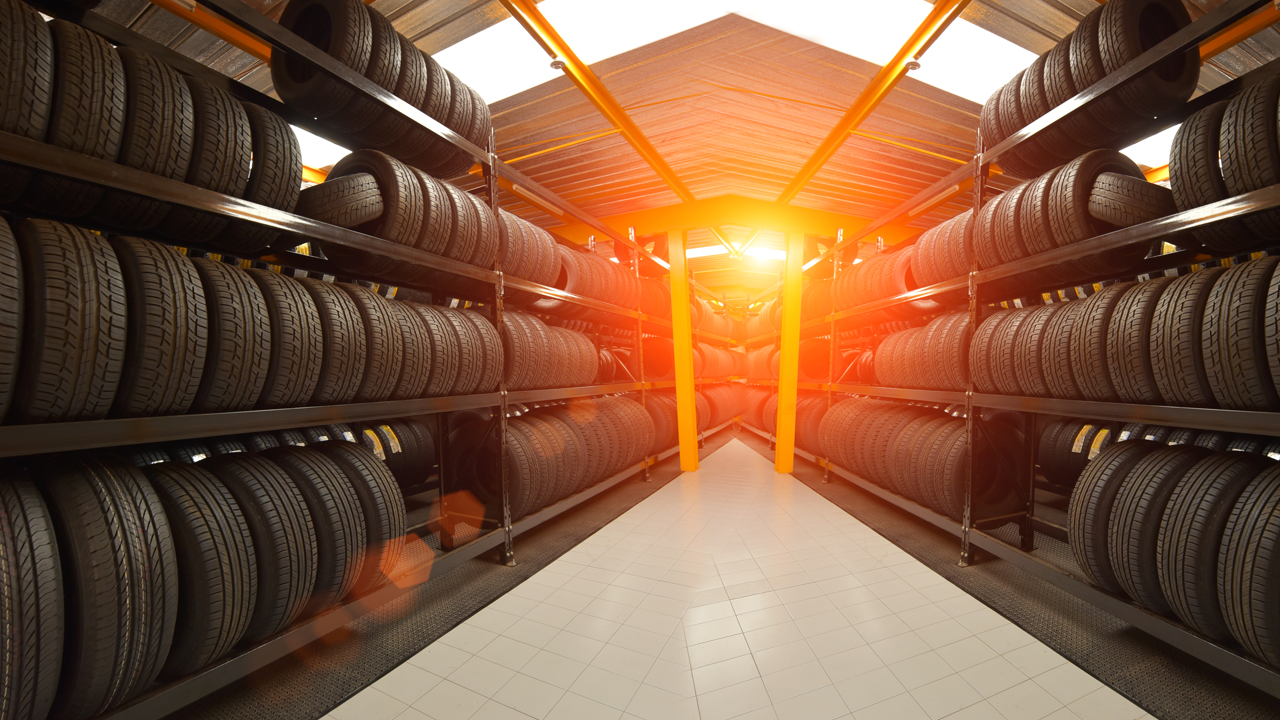
A casing can pass every inspection point — no injuries, no separations, a clean NDT scan — and still come out of storage worse than it went in. Rubber is a living material even when it's just sitting on a rack, and the conditions it sits in between drop-off and buffing have a real, documented effect on whether it retreads well.
This isn't a niche concern. The Tire Industry Association (TIA) publishes its own best-management-practice guidance for tire storage specifically because the failure modes are well understood and preventable — they just require a shop or yard to actually follow them.
What actually degrades a stored casing
TIA's best-management-practices guidance, and the general warehousing literature that echoes it, converge on the same handful of threats:
- Ozone. Electric motors, battery chargers, welding equipment, and generators all produce ozone as a byproduct — and ozone has a genuinely deteriorating effect on rubber. TIA's guidance is explicit: keep tire storage away from this kind of equipment, not just away from the weather.
- UV and sunlight. Direct sunlight, and even light fixtures with a high UV index, dry out rubber compounds and cause cracking over time.
- Heat and cold extremes. A cool, stable environment is the target — general guidance points to keeping storage roughly below 77°F and above freezing. Heat accelerates the same aging chemistry that ozone and UV drive; cold makes rubber stiff and more prone to cracking if handled roughly.
- Humidity and ground contact. Moisture against a casing's steel belts and beads promotes mold and rust from the inside out — which is exactly the kind of internal damage a casing inspection is trying to catch before it's too late to matter.
- Stacking and distortion. Casings left flat-stacked too long, or piled too high, can flat-spot or distort. TIA recommends storing tires upright on a pallet or rack rather than laid on the ground.
The practical rules
| Factor | TIA / general best practice |
|---|---|
| Location | Indoors, out of direct sunlight and away from ozone-generating equipment |
| Temperature | Cool and stable — roughly below 77°F, above freezing |
| Ground contact | On a pallet or rack, never directly on the floor |
| Orientation | Upright in racks preferred; limit stack height and rotate stock if stacked flat |
| Mounted casings | If stored on rims, inflate to roughly 50% of normal operating pressure |
| Chemical exposure | No direct contact with solvents, fuels, lubricants, or disinfectants |
Source: Tire Industry Association Best Management Practices for Proper Tire Storage, corroborated by general warehouse-racking industry guidance (Mecalux, Interlake Mecalux, AR Racking).
It's not just the incoming casings
The same rules apply on the other end of the line. A finished retread sitting in a warehouse before it ships back to a fleet is exposed to exactly the same ozone, UV, and humidity risks as the worn casing was before it was buffed — the new tread doesn't make the rubber immune to storage conditions. A shop that gets storage right on the intake side and sloppy on the outbound side is still taking on avoidable risk with finished product.
Why this becomes your problem when you run your own line
When a third-party retreader handles a fleet's casings, storage discipline — or the lack of it — happens on the retreader's property, out of sight. A fleet sending casings out never sees the rack, the temperature, or how long a batch sat before it was buffed.
Bring retreading in-house and that changes. Casings now sit in your yard between the time they come off a truck and the time they reach your buffer — and finished retreads sit in your warehouse before they go back out. Storage stops being a vendor's back-room process and becomes a line item in how you set up your own operation: rack space, a covered or indoor area away from your own electrical equipment and welding station, and a rotation discipline so nothing sits for months in a hot corner of the shop. None of this requires specialized equipment — mostly it requires knowing the rules exist and building them into how the space is laid out from day one.
RELATED GUIDES
Setting up your own line?
We supply the full core equipment line — from inspection spreaders to curing chambers — with transparent all-in Canadian pricing and delivery from our Ontario warehouse. Tell us your volume and space, and we'll help you spec a setup that fits.
Get an equipment quote →Ask About Setting Up Your Retread Line
Send us your requirements and we'll get back to you within 24 hours with pricing and lead times — no obligation.