Home / Blog / Skiving: Repairing Casing Damage
EQUIPMENT GUIDESkiving: Repairing Casing Damage Before It Ever Reaches the Buffer
What skiving actually is, what a casing injury has to look like to qualify for repair, and why the skive-and-fill step decides whether a repaired casing retreads safely.
Published September 3, 2026 · Good Hope Retreaders
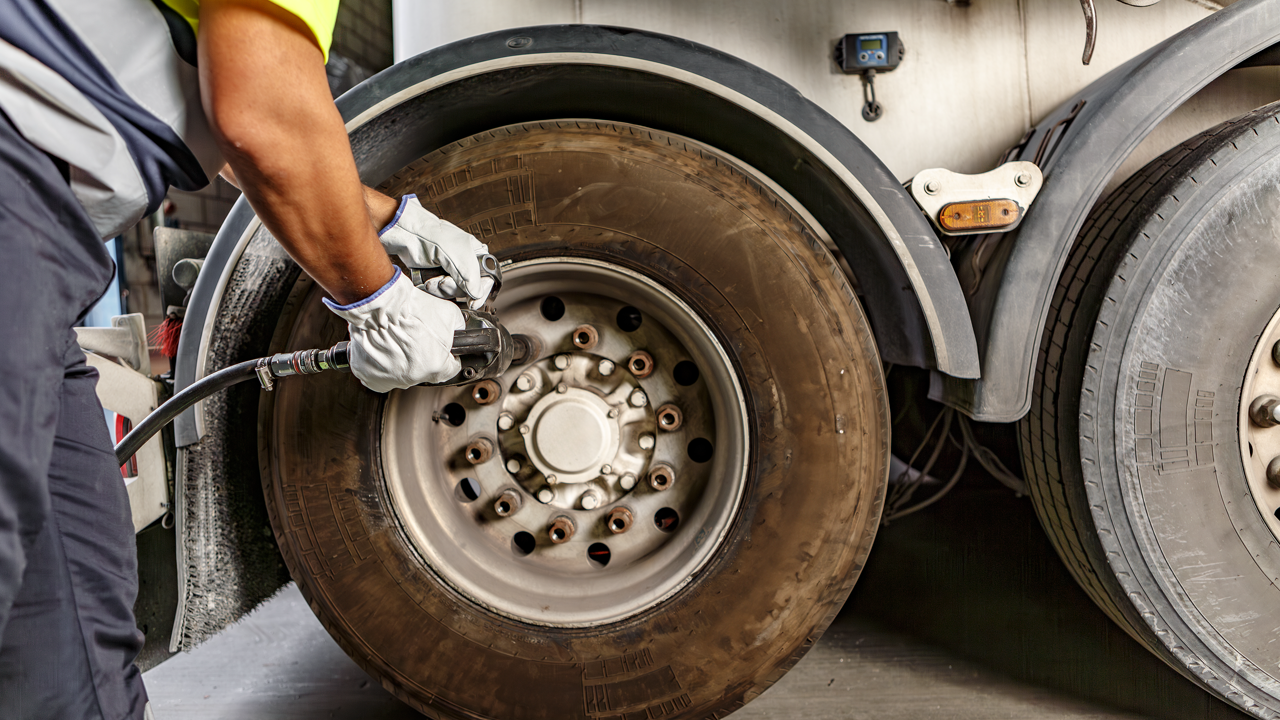
Every retreadable casing has to clear inspection first — but "clears inspection" doesn't mean "flawless." Most casings that make it onto a retread line have some repairable damage: a puncture, a small cut, a spot where a nail or road debris broke the surface. Skiving is the step that fixes that damage properly, before the casing ever goes to the buffer or gets a new tread. Get it wrong — or skip it — and you've built a new tread on top of a defect that's still there.
What skiving actually does
At the skiving station, a technician does two things at once: repairs the injury, and re-inspects it as they go. Any foreign material embedded in the casing — glass, metal shards, road debris — gets removed. Any exposed or rusted steel cord gets cut back and cleaned up, because rust migrating into a repair is one of the more common causes of a repair failing later. For crown-area injuries, the standard technique is a cupped "Y"-shaped skive cut at roughly 90 degrees through the wire belts and ply — a shape chosen so the repair material that fills it bonds through the full depth of the damage, not just across the surface.
That fill happens right after: a layer of uncured rubber called cushion gum goes into the skived-out area and across the buffed surface around it. It's the same material that bonds the new tread to the casing, so the repair and the retread cure together in the same cycle rather than being two separate bonds.
Not every injury qualifies
Skiving repairs damage — it doesn't rescue every casing. Repairable puncture/injury limits set out in Rubber Manufacturers Association (RMA) guidelines, corroborated by tire-manufacturer service bulletins, run up to 3/8" (10mm) in the tread area for truck and bus tires, and up to 1/4" (6mm) for passenger and light-truck tires through Load Range E. Injuries at the 3/8" limit are restricted to full-service repair facilities — not a field patch. Repairs can't overlap, and if two injuries sit directly across from each other on the same radial body cord, that casing isn't field-repairable at all.
Some damage disqualifies a casing outright, no skiving involved: multiple tread cuts, damage from running underinflated or flat, separation between belt plies, a damaged or separated bead, or ply turn-ups. A skiving station fixes what's fixable — it's not a substitute for the inspection call on what isn't.
That's why skiving and inspection are really one continuous step in practice: the technician skiving a repair is also the person best positioned to catch damage that's beyond repair and pull that casing before it goes any further. We cover the full rejection criteria in our casing inspection guide.
Why the repair quality compounds
A casing is only worth retreading because it can go through this cycle more than once. A skived repair that's shaped wrong, or that traps rust or contamination under the fill, doesn't just risk this retread — it can turn a casing that had two or three more retread cycles left in it into scrap. Given that casing cost is the single biggest input into what a retread actually costs a fleet, a five-minute repair done right is cheap insurance on an asset worth far more than the repair itself.
Equipment for a skiving station
A proper skiving station needs adjustable height and good lighting — technicians are working close, and injury shape only matters if you can actually see it clearly. It pairs with the buffing equipment that establishes the bonding texture across the rest of the casing, and with an inspection spreader for the initial 360° check that finds the damage in the first place. All three are covered together in our equipment buyer's guide.
RELATED GUIDES
Looking at repair and skiving equipment?
We supply skiving stations, inspection spreaders, cushion gum, and repair tools with transparent all-in Canadian pricing and delivery from our Ontario warehouse — manufacturer-direct, no distributor markup. Tell us your casing volume and sizes and we'll spec the right line for your shop.
Get a repair equipment quote →Ask About Repair & Skiving Equipment
Send us your requirements and we'll get back to you within 24 hours with pricing and lead times — no obligation.