Home / Blog / Ontario Tire Regulation Amendments
REGULATORY UPDATEOntario's Tire Rules Just Got Tougher: What the 2026 Amendments Mean for Retreading
Ontario raised the share of tires producers must manage and is expanding collection sites. Here is what changed, and where retreading fits.
Published October 2, 2026 · Good Hope Retreaders
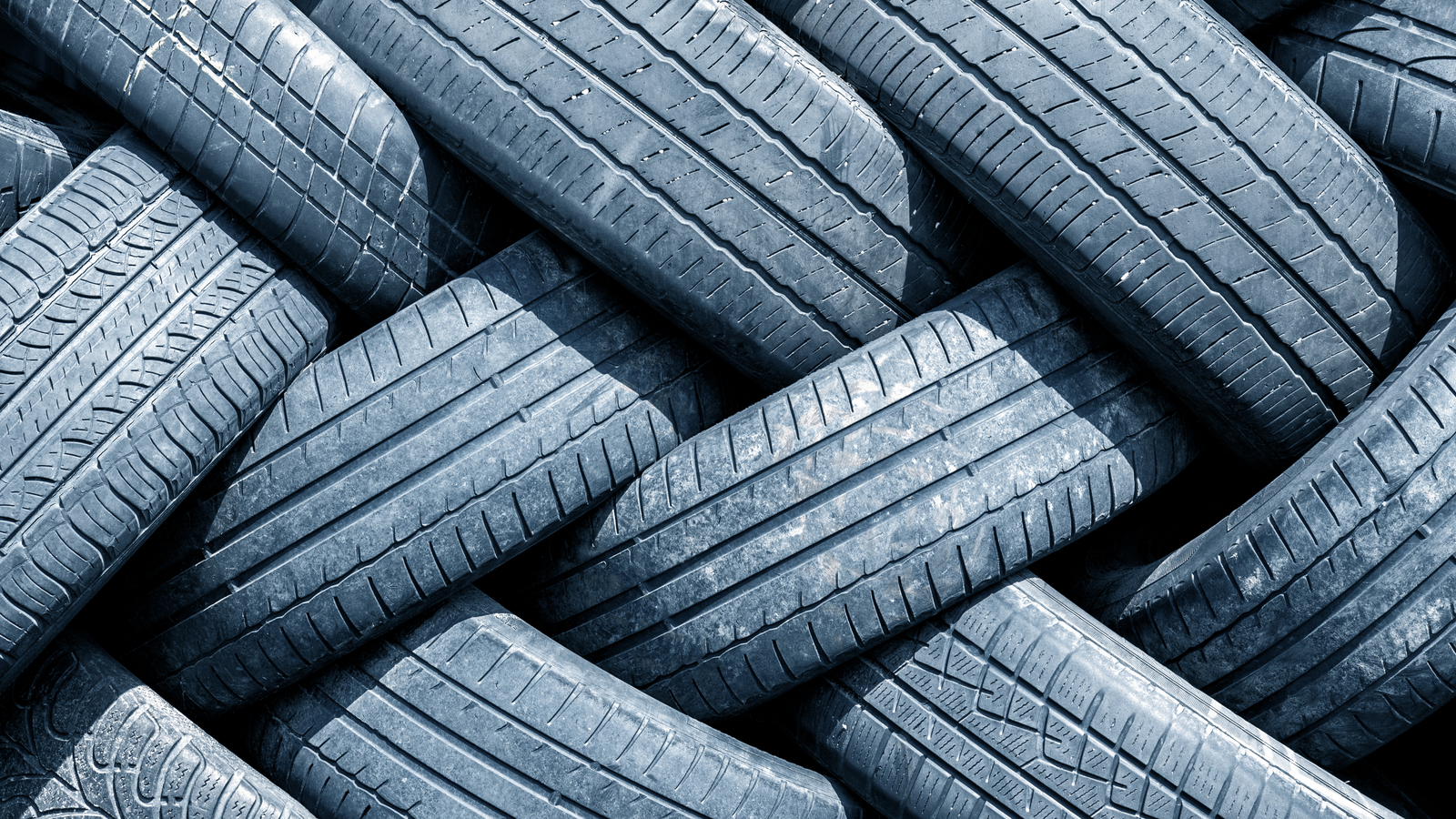
On September 21, Ontario finalized amendments to its Tires Regulation. The headline change is a higher share of tires that producers must manage each year, plus a much larger collection network. The changes follow a stretch of growing tire backlogs at collection sites across the province. If you run a fleet or a retread operation in Ontario, this is worth understanding, even though the legal obligations fall on tire producers rather than on you.
What the regulation is
Tires are regulated under Ontario's Resource Recovery and Circular Economy Act, 2016, and were the first material moved to the province's Individual Producer Responsibility model. Under that model, companies that supply tires into Ontario are responsible for collecting used tires and managing them. That can be done directly or through a producer responsibility organization (PRO). The Resource Productivity and Recovery Authority (RPRA) administers and enforces the regulation. The management pathways named in the program are reuse, retreading, or recycling and processing.
What changed
- A higher management requirement. The amendments raise the requirement from 65% to 80%, applying to the 2026 performance year and each year after.
- A larger collection network from 2027. The required number of collection sites rises from roughly 4,300 to roughly 6,500. Of the additional roughly 2,200 sites, 10% (220) must be in Northern Ontario.
- Tighter reporting from 2027. PROs must report their collection networks earlier in the year, and there are new conditions limiting when collection sites can be changed during the year.
These changes were made in response to used tires piling up at collection sites. Press coverage described a rollback of earlier recycling targets followed by a backlog, and the government then moved to raise the target again.
Where retreading fits
Retreading is one of the recognized ways a used tire is kept in use rather than processed, so a higher management requirement is, at a minimum, consistent with the direction retreading already points: more tires staying in service and fewer reaching the end of their life as scrap. We want to be careful here. The regulation places obligations on producers, and we have not found published detail showing that a retreaded tire is treated more favourably than another management pathway, so we are not claiming that it is.
What is reasonable to say is simpler. A casing that is inspected, repaired, and retreaded is a tire that never enters the scrap stream. For a fleet, that is the same casing-value logic that already drives retreading economics. For more on the casing side of that equation, see our guide to casing ownership and our look at where scrap tires actually go.
What fleets and shops should actually do
- Do not assume your obligations changed. The amended requirements apply to producers and PROs. Check RPRA's guidance if you also import or supply tires into Ontario yourself, since that could make you a producer.
- Watch your disposal arrangements. A bigger collection network and a higher management target are aimed at reducing backlogs. Confirm with whichever collector you use how the changes affect pickup and handling.
- Treat casings as an asset, not waste. Casings that pass inspection are worth more retreaded than scrapped. The discipline of good casing selection, storage, and repair is where that value is kept.
We will keep an eye on how the new targets play out in practice. This post summarises the amendments as published; it is not legal advice, and anyone with compliance questions should read the regulation and RPRA's guidance directly.
RELATED GUIDES
Planning to retread in Ontario?
We are a manufacturer-direct supplier of retreading equipment, consumables, components, and repair tools, with transparent all-in Canadian pricing and local Ontario service. Tell us your tire sizes and volume and we will help you spec the right equipment for your operation.
Get an equipment quote →Ask About Retread Equipment
Send us your requirements and we'll get back to you within 24 hours with pricing and lead times — no obligation.