Home / Blog / Ontario Retread Shop Safety
IN-HOUSE RETREADINGWorkplace Safety for an In-House Retread Shop in Ontario: Guarding, Lockout, Noise and Pressure Equipment
A fleet planning its own retread line takes on employer duties under Ontario's OHSA. A plain-language checklist of what to line up before the first tire runs.
Published October 4, 2026 · Good Hope Retreaders
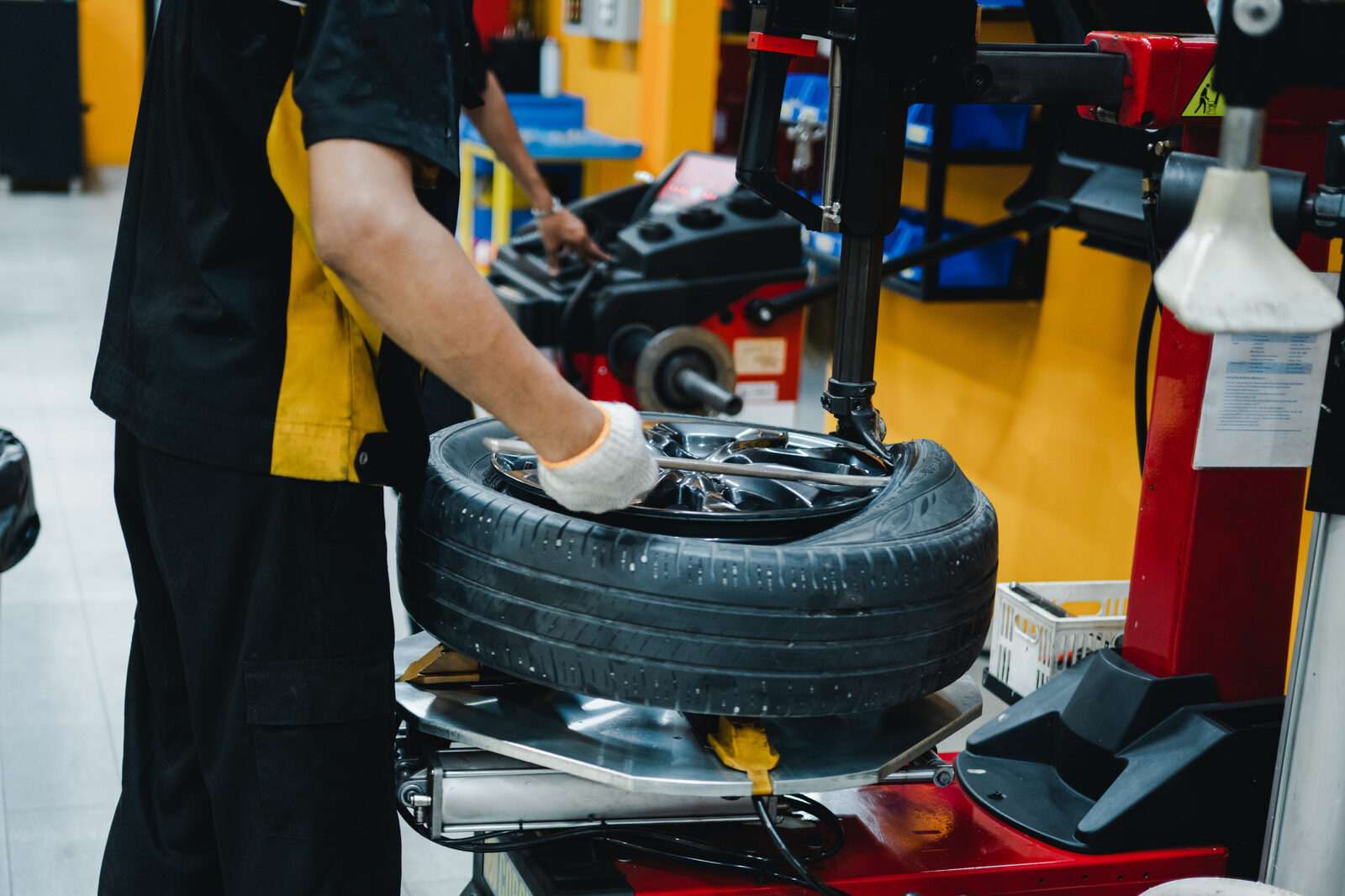
Most of the conversation about bringing retreading in-house is about money: equipment cost, casing yield, payback. The part that gets less airtime is that a fleet starting its own line becomes the employer of a small industrial operation — with rotating machinery, heat, pressurized equipment and rubber dust. In Ontario, that brings a defined set of obligations under the Occupational Health and Safety Act and its Industrial Establishments regulation (Reg. 851).
This is a planning checklist, not legal advice. Requirements depend on your exact equipment and layout, so confirm specifics with the Ministry of Labour, Immigration, Training and Skills Development (MLITSD), your health-and-safety association such as WSPS, and TSSA for pressure equipment. What follows is the framework we'd want any fleet to have in hand before ordering equipment.
1. Machine guarding
Reg. 851 sets out guarding requirements in sections 24, 25, 26, 28, 31 and 32 (per the Ministry of Labour). The core rule most relevant to a retread line is section 25: an in-running nip hazard, or any part of a machine that may endanger a worker, must be guarded by a guard or other device that prevents access to the pinch point. Buffing machines, tire builders and spreaders all have rotating or moving parts, so guarding is a design-and-layout question from day one — not something to retrofit.
2. Pre-start health and safety review (PSR)
Section 7 of Reg. 851 lists the circumstances in which an employer must have a pre-start health and safety review done before new or modified equipment goes into service. Ontario's PSR guideline explains that a PSR is generally conducted by a professional engineer (or limited-licence holder), and that safeguarding devices that signal a machine to stop — light curtains, interlocked barrier guards and similar — can trigger the requirement. There are exemptions where the protective element was installed at manufacture and meets current standards. Whether a given machine needs a PSR is a question to settle with your engineer and the Ministry before purchase, not after installation.
3. Lockout during maintenance and cleaning
Sections 75 and 76 of Reg. 851 address protecting workers from unexpected machine start-up. In practice: before maintenance, cleaning or repair, equipment must be disconnected from its power source and locked out under a written procedure. A retread line is maintenance-heavy — rasp and blade changes, envelope handling, chamber servicing — so a lockout procedure for each machine belongs in your shop documentation before commissioning.
4. Noise
Ontario's Noise regulation requires employers to ensure no worker is exposed to a sound level above a time-weighted average of 85 dBA over an 8-hour workday. Buffing and rasping, compressed air and dust-collection fans are the likely noise sources in a retread shop. The sensible sequence is to measure after the line is running, then decide on engineering controls first and hearing protection as a supplement.
5. Dust and ventilation
Reg. 851 also covers adequate lighting, ventilation and temperature in work areas. Buffing produces fine rubber dust, which brings a separate fire and explosion consideration we cover in Buffing Dust: Why OSHA and NFPA Treat It as a Combustible Hazard. Dust collection should be planned together with the buffing machine layout, not added later.
6. Pressurized equipment and TSSA
Curing chambers, envelope systems and compressed-air receivers all involve pressure. In Ontario, boilers and pressure vessels are regulated by TSSA under Ontario Regulation 220/01, and pressure equipment designs generally need to be registered. Industry guidance indicates that vessels operating above 15 psi typically require a Canadian Registration Number (CRN). Whether a particular chamber or receiver is in scope, and what documentation it needs, is something to confirm with TSSA and your supplier before you buy. (Our electric vs. steam chamber comparison covers the separate boiler-licensing issue on the steam side.)
7. The rest of the compliance picture
- Product compliance: if you retread for your own fleet, see DOT certification for an in-house retread line.
- Training and staffing: operators need training on the specific machines, and the labour market is tight — see the tire technician shortage.
- Tax treatment of the equipment: see how CCA affects the investment.
- Total setup budget: safety work (engineering review, guarding, ventilation, electrical service) belongs in the line-item list in what it costs to set up a retread shop.
A pre-purchase checklist
- Ask every equipment supplier what guarding is built in, and what standards the machine was built to.
- Ask whether the machine or its safeguarding is likely to need a pre-start review, and who your engineer will be.
- Draft lockout procedures per machine before commissioning.
- Plan dust collection and ventilation as part of the floor layout.
- Confirm pressure-equipment registration requirements with TSSA before ordering.
- Budget for a noise assessment once the line is running.
None of this makes in-house retreading a bad idea — plenty of shops run safely under these same rules. It does mean the real project plan includes an engineer, an inspector's checklist and a set of written procedures alongside the equipment order. Starting with that list is cheaper than discovering it during commissioning.
Sources
- Ontario.ca — Hazards in the industrial sector; Industrial sector inspection materials (Reg. 851 guarding sections 24–26, 28, 31, 32; s. 25 in-running nip; ss. 75–76 start-up/lockout).
- Ontario.ca — Guideline: Pre-Start Health and Safety Reviews (Reg. 851 s. 7; engineer requirement; Item 2 safeguarding of machinery).
- Ontario.ca — A Guide to the Noise Regulation under the OHSA (85 dBA 8-hour TWA).
- WSPS — Machine guarding and electrical hazards; 6 things you need to know about PSRs.
- TSSA (tssa.org) — Boilers and Pressure Vessels, design registration / CRN; O. Reg. 220/01.
RELATED GUIDES
Planning an in-house retread line in Ontario?
Good Hope Retreaders supplies manufacturer-direct retreading equipment and consumables with local Ontario service. Send us your layout, tire sizes and volume and we'll talk through the equipment, with one transparent, all-in Canadian price. Regulatory requirements should always be confirmed with the relevant Ontario authorities.
Get an equipment quote →Ask About Equipping Your Retread Shop
Send us your requirements and we'll get back to you within 24 hours with pricing and lead times — no obligation.