Home / Blog / Curing Rims, Flanges & Expandable Hubs
EQUIPMENT GUIDECuring Rims, Flanges, and Expandable Hubs: Getting the Bead Seal Right for Multi-Size Retreading
These components don't touch the tread and they don't generate heat. Their only job is holding an airtight seal at the bead — and getting that wrong is one of the more preventable ways to ruin a cure cycle.
Published September 14, 2026 · Good Hope Retreaders
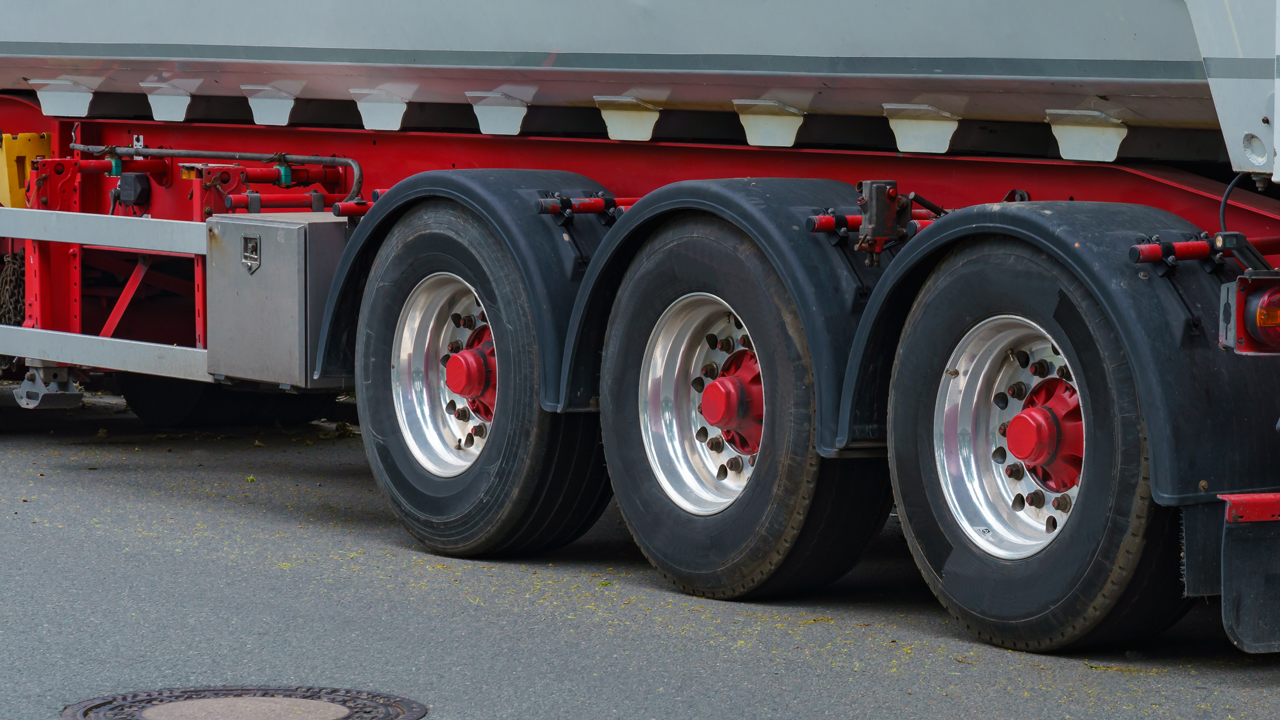
Most of the attention in a retread line goes to the parts that obviously do something — the buffer that shapes the casing, the extruder gun that lays cushion gum, the curing chamber that bonds it all together. The curing rim, its flange, and — if your shop runs multiple tire sizes — the expandable hub it's built around get a lot less attention. They shouldn't. Their entire function is holding an airtight seal against the tire bead through an inflation-and-heat cycle, and if that seal isn't right, no amount of chamber precision fixes the tire that comes out.
What these three components actually do
A curing rim is the fixture the built, enveloped casing mounts on for its trip into the chamber — part of the broader curing line equipment we supply. The flange is the part of that assembly that actually contacts the tire bead — on most designs, a curved sealing surface (sometimes backed by a spring or an inflatable bladder) that presses against the bead to close the seal. Where a shop runs more than one tire size — which is most independent and fleet shops — an expandable hub or expanding rim replaces a fixed-diameter rim with one that adjusts to different bead diameters and rim widths on the same fixture, so you're not buying (and swapping) a dedicated rim for every casing size that comes through the door.
Why the seal is the whole job
Precure retreading cures the cushion gum under a combination of an envelope vacuum and chamber heat and pressure — covered in more depth in our guide to inner and outer curing envelopes. That vacuum only works if the tire's own bead is sealed airtight against the rim assembly first. Patent literature from Presti Rubber Products, a longtime manufacturer of retread sealing hardware, describes exactly why this matters: the sealing ring has to form "an endless, ring-shaped air tight seal" around the full bead circumference so a proper vacuum can be drawn, because air or steam that gets past a bad seal and into the cushion gum during curing causes air pockets — and those air pockets are what produce under-cured spots and tread distortion in the finished tire (US Patent 5,098,268; a related design using an inflatable bladder to force uniform sealing pressure around the bead is described in US Patent 6,406,282). In plain terms: a marginal bead seal doesn't just risk a minor cosmetic flaw. It's a direct path to a tire that comes out of the chamber not properly cured, full stop.
Matching the fixture to the casing
The Tire Industry Association's Recommended Practice on tire profiling for retreading spells out the mounting basics that carry through to curing: matching the correct expanding rim size and bead plates to the casing's actual bead diameter and running rim width, then mounting at a controlled inflation pressure — TIA's published figure for profiling setup is 20 psi ± 5 psi — rather than guessing at pressure by feel (TIA Recommended Practice RP-01-01, Tire Profiling for Retreading). The same discipline applies at the curing rim: an expandable hub that's undersized for the bead, or a rim width that doesn't match the casing's actual running width, won't seat the flange evenly around the full circumference — and an uneven seal is exactly the failure mode the patent literature above describes. This is also why casing size verification during inspection matters beyond just checking for damage; our 5-point casing inspection guide covers what to check before a casing ever reaches the rim.
What to check when you're specifying rim and hub equipment
- Bead diameter and rim-width range. An expandable hub is only as useful as the size range it actually covers. Confirm it spans every rim diameter and width in your casing mix — not just your highest-volume size — before you commit to one fixture per chamber position.
- Flange sealing surface condition. The curved sealing surface is a wear part. A flange with a nicked, pitted, or worn sealing edge won't hold the same seal it did new, and that degradation is gradual and easy to miss until you start seeing inconsistent cures.
- Sealing mechanism reliability. Whether the design uses spring-loaded flanges or an inflatable bladder to force sealing pressure, that mechanism needs to apply pressure evenly around the full circumference — an inconsistent or sticking mechanism produces exactly the localized leak points that cause localized cure defects.
- Compatibility with your envelope system. The rim and flange assembly and your curing envelopes are a matched system, not independent purchases — a rim swap or a wide-base retrofit is also a moment to re-check envelope fit and sealing surfaces.
- Fit with your existing chamber. Confirm hub and rim dimensions match your chamber's mounting hardware before ordering — this is a detail worth confirming directly with your equipment supplier rather than assuming compatibility across brands.
Why this matters more as your size mix grows
A shop running one or two tire sizes can get away with dedicated, fixed rims and rarely think about this again. The calculation changes the moment a fleet's casing mix broadens — steer, drive, and trailer positions, plus any wide-base singles, each with different bead diameters and rim widths. We cover the wide-base-specific equipment considerations separately in our wide-base single tire retreading guide; the short version here is that an expandable hub sized for your full range is what keeps a broader size mix from meaning a proportionally larger rack of dedicated, single-size curing rims taking up chamber-side floor space.
RELATED GUIDES
Specing curing rims and hubs for your line?
We supply curing rims, flanges, and expandable hubs alongside the rest of the curing line, with transparent all-in Canadian pricing and delivery from our Ontario warehouse — manufacturer-direct, no distributor markup. Tell us your casing size range and we'll spec hardware that actually covers it.
Get a curing equipment quote →Tell Us What Your Shop Needs
Send us your requirements and we'll get back to you within 24 hours with pricing and lead times — no obligation.