Home / Blog / SmartWay-Verified Retreads
INDUSTRY & POLICYSmartWay-Verified Retreads: What EPA's Fuel-Savings Data Actually Requires
What EPA's SmartWay verification for low rolling resistance retreads actually certifies, which axle positions qualify, and what the fuel-savings numbers mean for fleet cost per mile.
Published September 3, 2026 · Good Hope Retreaders
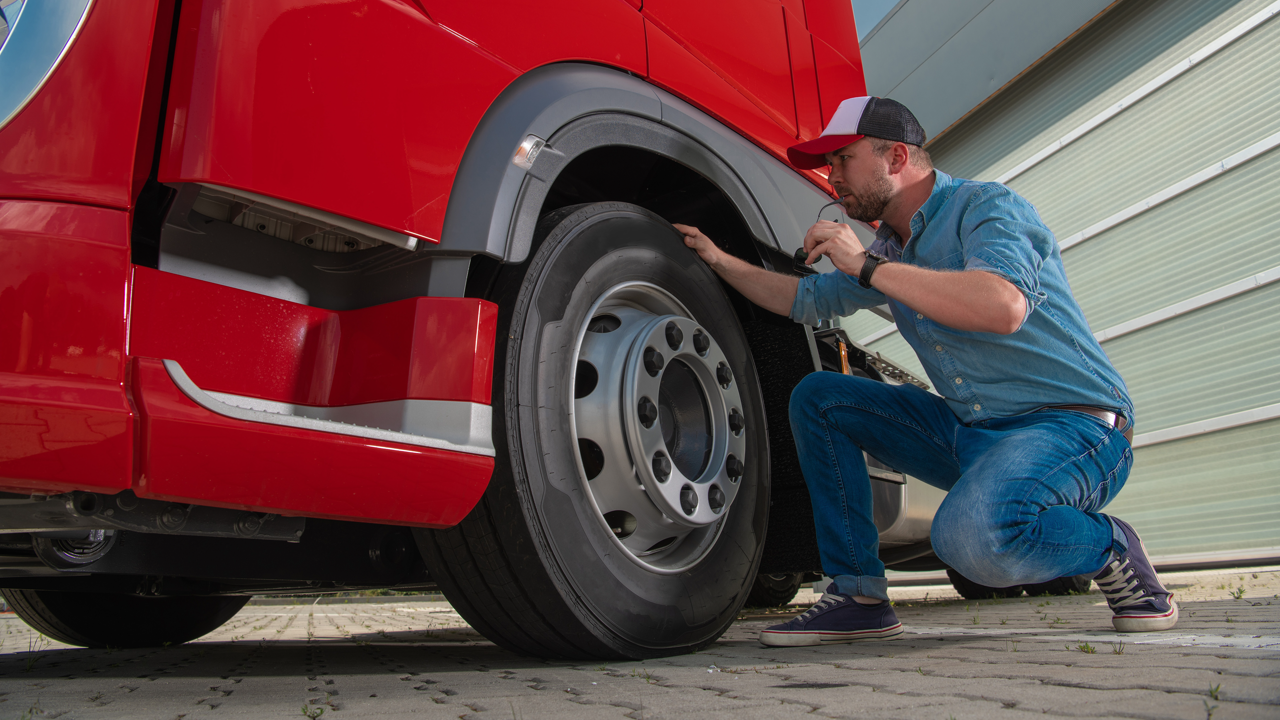
"SmartWay verified" shows up on a lot of retread and tire spec sheets, but the label gets thrown around more loosely than what it actually certifies. It's a specific EPA program with specific rules about which tires qualify, which axle positions they can go on, and how the fuel-savings claim behind the label has to be measured. Here's what it actually requires — and why it's worth caring about at the cost-per-mile level.
What SmartWay verification actually is
SmartWay is EPA's voluntary partnership program for reducing freight-transportation fuel use and emissions. Within it, EPA runs a separate verification track specifically for low rolling resistance (LRR) tires and retread technologies — rolling resistance being the energy a tire wastes as heat rather than passing through to forward motion, which shows up directly as burned fuel. The program has been running for close to two decades and, across its full partner base, has been credited with tens of billions of dollars in cumulative fuel-cost savings. It's still an active EPA program in 2026.
Getting a retread product onto the SmartWay verified list isn't self-certification. It requires fuel-consumption testing against EPA's protocol, built on the SAE J1321 fuel economy test procedure — with additional EPA-specified provisions layered on to tighten the precision of the result, since the standard J1321 test's own reported precision (roughly ±1%) isn't tight enough on its own to reliably verify savings in the single-digit percentage range that retreads typically deliver.
Where verified retreads can actually go
This is the detail that trips people up: SmartWay-verified retread technologies are only certified for use on the drive and trailer axle positions — not steer. A fleet chasing the full documented fuel-savings claim needs SmartWay-verified LRR tires on steer separately, verified retread technology on drive and trailer, and all tires properly inflated. Skip any one piece — put a verified retread where a verified steer tire belongs, or run everything underinflated — and the savings figure the program is built around doesn't apply to your setup.
What the fuel savings actually amount to
EPA's own figures put verified retread technologies, used correctly on drive and trailer positions with properly inflated tires and verified LRR steer tires, at a fuel savings of 3% or more against a fleet's typical unverified retread baseline. That number sounds modest until you put it against what fuel actually costs a fleet to run. Per the American Transportation Research Institute's 2025 operating-cost data, the industry-average cost to run a truck was $2.336 per mile — the highest in the report's history — with fuel alone running $0.482 per mile, roughly a fifth of total operating cost. A 3% reduction against that fuel line is a real, compounding number across a fleet's annual mileage, not a rounding error.
It's also a savings that doesn't require buying new tires to get. Retreading with SmartWay-verified technology captures it on casings you already own, which is the same economic logic behind retreading generally — see our breakdown of the cost-per-mile numbers for retreads versus new tires.
What this means for spec'ing a retread program
If fuel economy is part of why a fleet retreads, the SmartWay list is the way to confirm a specific product actually delivers on that — not marketing language on a spec sheet. And because verification is axle-position-specific, it's worth checking that a fleet's actual axle configuration matches what's verified before assuming the savings apply across the board.
RELATED GUIDES
Have questions about equipping a retread line?
We supply the machinery, consumables, and repair tools that go into building a retread — with transparent all-in Canadian pricing and delivery from our Ontario warehouse, manufacturer-direct. Tell us about your operation and we'll help you spec the right setup.
Get a quote →Tell Us What Your Shop Needs
Send us your requirements and we'll get back to you within 24 hours with pricing and lead times — no obligation.