Home / Blog / Medium-Duty and Last-Mile Retreading
FLEET STRATEGYRetreading Medium-Duty and Last-Mile Tires: What Fleets Should Check Before Adding 17.5-Inch and 19.5-Inch Casings
Retreading used to be a Class 8 habit. Last-mile delivery is changing that — here is what the published data says and what to check first.
Published October 5, 2026 · Good Hope Retreaders
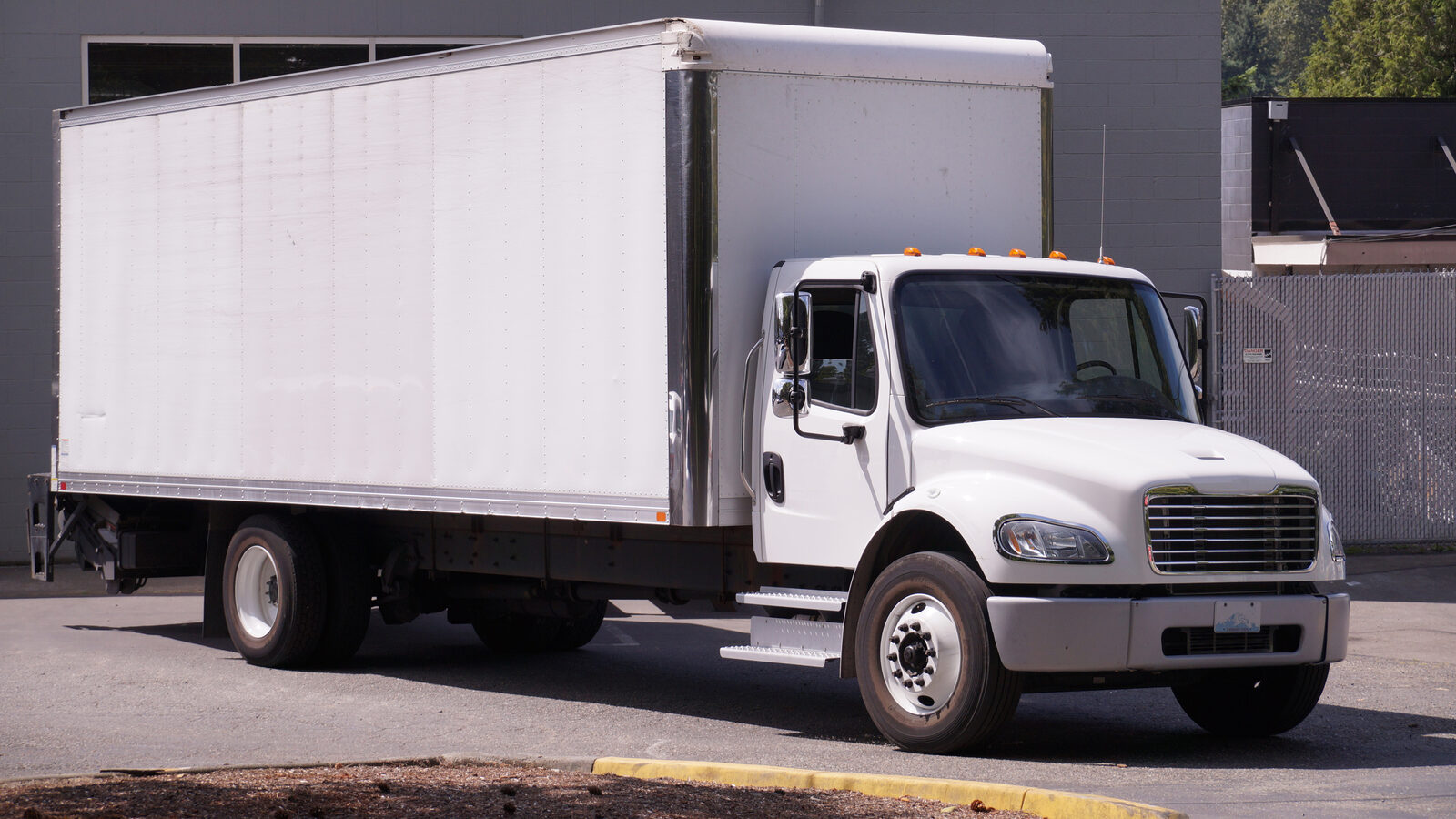
For years, retreading was something fleets did to big tires. Steer, drive and trailer tires on Class 8 tractors were the retread market; the smaller 17.5" and 19.5" tires on medium-duty trucks were mostly run once and scrapped.
Trade coverage says that's shifting. This guide looks at what's driving retreading into the medium-duty and last-mile world, what the published data does and doesn't say, and what a fleet — or a retread shop — should check before adding these sizes to a line. As always, we've stuck to figures we could trace to a named source, and we flag where those are secondhand.
Why medium-duty is suddenly a retread conversation
Work Truck and Automotive Fleet coverage ("Last-Mile's Growing Impact on Retread Tires") describes retreading of 17.5" and 19.5" tires as traditionally a fringe market outside fleets that already run larger equipment, where retreading is the norm. The same coverage points to medium-duty trucks (Class 7 and under) as one of the fastest-growing segments, driven by demand for final-mile delivery — and says that as less-than-truckload, pickup-and-delivery and food-and-beverage fleets move into last-mile work with medium-duty vehicles, demand for retreading those tires is increasing, because those fleets already retread on their larger equipment.
That second point is the useful one. A fleet that already trusts retreads on its tractors doesn't need persuading about the concept; it's asking why the smaller tires should be different.
The duty cycle is hard on tires
The same coverage characterises last-mile work as a harsh environment — lots of turns, scrubbing and curbing, and high-torque starts and stops — and reports that delivery vans in urban duty cycles can run 60,000 to 80,000 miles or more a year. More wear, more often, means more tires consumed, and more casings coming off the vehicle.
That's the economic hook. If casings in this duty cycle are sound when the tread wears out, they're an asset; if they're scrapped, each one is a purchase you made again.
What the cost data says
Across sources we checked this year, the general retread range is consistent: retreads typically cost 30% to 50% less than comparable new tires (a range cited in a Radial Insights market release published in 2026 and by Michelin's fleet guidance). That is a general commercial-tire range. We did not find a published, independent cost-per-retread benchmark specific to 17.5" or 19.5" tires, so we aren't going to quote one — and you should be cautious of anyone who does without showing their source.
Trade coverage (Trucking Info, "Why Medium-Duty Truck Fleets Need Retreads") also notes that, with advances in casing technology, medium-duty fleets can now reliably retread on the drive position, spreading the casing's cost over several lives. As with larger tires, most of a tire's manufacturing cost sits in the casing, which is what a retread reuses.
| What the sources report | Source |
|---|---|
| Retreads typically 30–50% below comparable new tires | Radial Insights (2026 market release); Michelin fleet guidance |
| 89% of fleets with 500+ trucks use retreads | TRIB, as cited in trade coverage |
| More than 90% of U.S. fleets with over 100 trucks turn to retreads | Trucking Info, "Why Medium-Duty Truck Fleets Need Retreads" |
| Urban delivery vans can run 60,000–80,000+ miles/year | Work Truck / Automotive Fleet, "Last-Mile's Growing Impact on Retread Tires" |
The two fleet-adoption figures come from different surveys with different fleet-size cut-offs and shouldn't be compared directly.
What to check before adding 17.5" and 19.5" to a line
- Equipment size range. Every machine in a retread line — buffer, builder, envelope, rim and curing chamber — has its own size envelope. For example, our expanding rim is listed for a 15"–22.5" size range, which covers the medium-duty sizes, but confirm the range for each machine you plan to run.
- Tread availability. Confirm precured tread in the width and pattern your applications use, and what a sensible stock level looks like.
- Casing mix and volume. Smaller tires turn over quickly. Decide whether you'll sort and retread them in the same flow as the larger casings or batch them.
- Application fit. Package delivery trucks are described in trade coverage as the best candidates for medium-duty retreads; most Class 2–6 applications could benefit. Position matters too — drive-position retreading is now reported as dependable, but your own policy should say where retreads go.
- Casing age and condition. A delivery truck's casings take a lot of scrub and curb contact. Your inspection standard should account for that — see our five-point casing check.
Does it make sense to run these in-house?
That depends on volume, and we won't invent a break-even for it. If a fleet already runs or is planning its own line for larger tires, medium-duty casings can add to the casing stream going through the same inspection and buffing steps — a point to test against your own casing counts. If the medium-duty fleet is small, the arithmetic is different; our in-house payback guide explains how to work through it, and our setup-cost guide covers what a line requires.
Good Hope Retreaders supplies retreading equipment, consumables and repair tools manufacturer-direct, with local service in Ontario. We're not a retreader — we equip and supply fleets and shops that run their own lines. If you're sizing a line for mixed medium-duty and heavy-duty casings, tell us your tire sizes and weekly volumes and we'll tell you honestly which machines fit.
RELATED GUIDES
Sizing a line for medium-duty tires?
Send us your tire sizes, fleet mix and weekly volume. We'll come back with the equipment that fits, delivered from our Ontario warehouse, at one transparent all-in Canadian price.
Get a quote →Ask About Equipment for Medium-Duty Sizes
Send us your requirements and we'll get back to you within 24 hours with pricing and lead times — no obligation.