Home / Blog / Why Fleets Are Switching to Retreads
INDUSTRY TRENDSWhy More Fleets Are Switching to Retreads: The Cost & Circular Economy Case in 2026
A 2026 federal push, real market-growth data, and TRIB's own oil/material figures — why fleet retread adoption is accelerating, and what it means for shops.
Published August 26, 2026 · Good Hope Retreaders
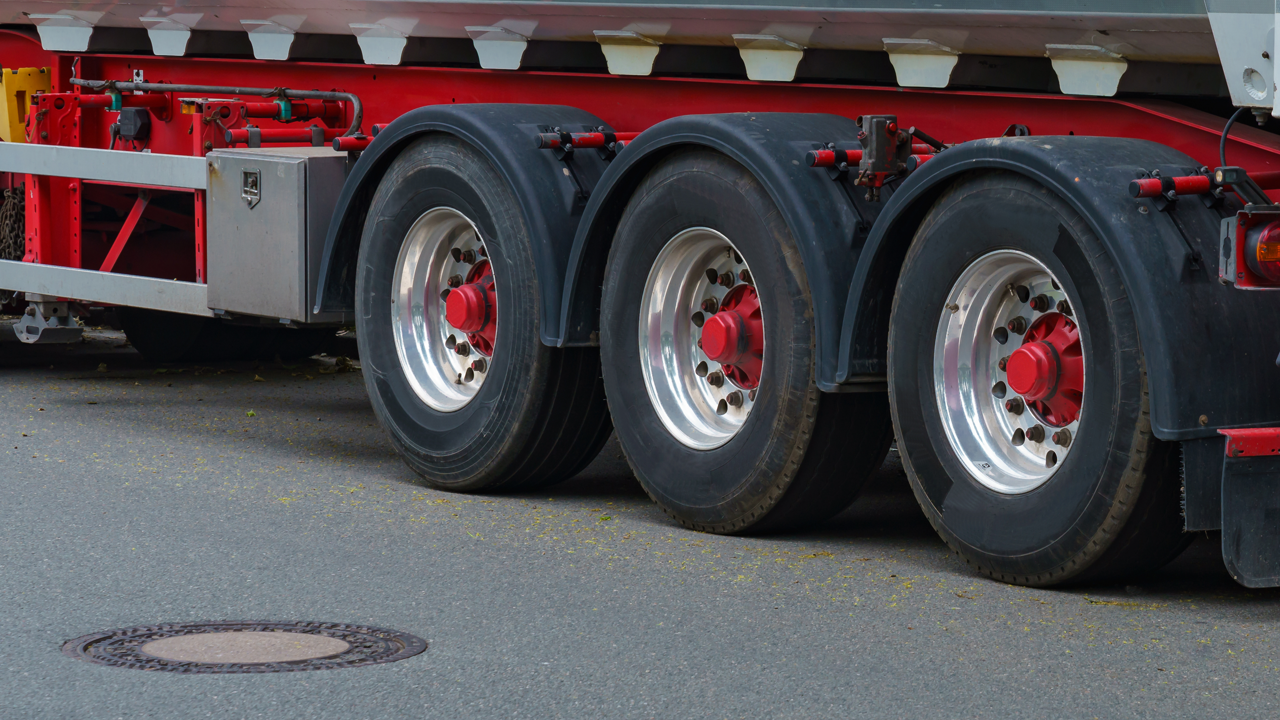
On July 16, 2026, the Tire Industry Association (TIA) and the Tire Retread & Repair Information Bureau (TRIB) led a delegation of retread industry leaders to Capitol Hill to push for a bipartisan federal bill built specifically to expand retread adoption. That's not a routine trade-group visit — it's a signal that the economics and the environmental case for retreading have gotten strong enough to justify a federal push. Here's what's actually driving fleets toward retreads right now, with the real numbers behind it.
The news hook: a federal push behind retreading
The bill in question — the Retreaded Tire Jobs, Supply Chain Security, and Sustainability Act (S.2790 in the Senate, H.R.3401 in the House) — would create a federal procurement preference for retreaded tires across public-sector fleets and establish a tax credit of up to $30 per retreaded tire, or 30% of the purchase price, for both public and private fleet buyers. TIA and TRIB's pitch to lawmakers was straightforward: retreading already saves fleets close to $3 billion a year, and federal policy could accelerate adoption further, particularly among fleets that haven't made the switch yet.
Whether or not the bill passes, its existence tells you something the industry already knows from its own purchasing data: retreading isn't a cost-cutting afterthought anymore — it's an income-statement line item serious fleets manage on purpose.
The market is already growing — the real numbers
Independent market research backs up the trend, even if the growth-rate estimates vary by firm and methodology:
- TechSci Research projects the global retread tire market growing from USD 11.53 billion in 2025 to USD 14.83 billion by 2031 — a 4.28% CAGR.
- Future Market Insights puts the 2026 global market at roughly USD 11.1 billion, with a more modest 2.8% CAGR forecast through 2036.
The two firms don't agree on the exact growth rate, and we're not going to pretend they do. What both agree on is the direction: steady, multi-year growth in a market that was already worth well over $10 billion heading into 2026.

The circular economy case — what retreading actually saves
The sustainability argument for retreading isn't a marketing add-on; it's arithmetic about what a casing already contains. A commercial truck tire's casing — the structural carcass beneath the tread — makes up roughly 75% of the tire's total mass, according to a March 2026 industry analysis from Scrap Tire News. When the tread wears out, that casing is typically still structurally sound, holding most of the tire's embodied material and energy intact.
That's why the per-tire numbers TIA and TRIB brought to their 2026 Capitol Hill advocacy are the ones that matter for the circular-economy case: producing a retread requires roughly 15 fewer gallons of oil and 90 to 100 fewer pounds of raw material than manufacturing a new commercial truck tire. Multiply that across an industry, and TRIB's own published figures put the U.S./Canada retread industry's annual impact at an estimated 217.5 million gallons of oil saved and 1.4 billion pounds of landfill avoidance.
For a fleet under pressure to report on sustainability metrics — not just cost — that's a real, defensible number to put in front of a customer or a board, not a vague "we care about the planet" line.
The 2026 numbers at a glance
| Metric | Figure | Source |
|---|---|---|
| Global market, 2026 | ~USD 11.1B | Future Market Insights |
| Projected market, 2031 | USD 14.83B (4.28% CAGR) | TechSci Research |
| Annual fleet savings (industry-wide) | ~$3 billion | TIA / TRIB, 2026 |
| Oil saved per retread | ~15 gallons vs. a new tire | TIA / TRIB, 2026 |
| Raw material saved per retread | ~90–100 lbs vs. a new tire | TIA / TRIB, 2026 |
| Casing share of tire mass | ~75% | Scrap Tire News, Mar 2026 |
How this connects to fleet cost-per-mile
None of this works as a pitch if the tires don't perform, which is why the cost and the sustainability stories run together rather than separately. We've broken down the purchase-price gap and the cost-per-mile math in detail in Retreads vs. New Tires: What the Cost-Per-Mile Numbers Actually Show, and the safety data fleets ask about is covered in Retread Tire Safety: What the TRIB/TIA Data Actually Shows. The 2026 trend is really those two arguments converging with a third: fleets increasingly have to answer for their environmental footprint too, and retreading is one of the few tire decisions that improves the cost line and the sustainability line at the same time — provided the casing was sound to begin with, which is why casing inspection still matters more than any other single step in the process.
What this means for your shop
If fleet demand for retreads keeps building the way the 2026 data suggests, the shops positioned to capture it are the ones with reliable, consistent equipment — not the ones scrambling to add capacity after the fact. We supply precure retread machinery direct from our Ontario warehouse, with transparent all-in Canadian pricing and no quote wall. If you're scoping out what a line costs to build or expand, see our equipment buyer's guide and what it costs to set up a retread shop.
RELATED GUIDES
Building or expanding your retread line?
We supply precure retread machinery, consumables, and repair tools direct from our Ontario warehouse, with transparent all-in Canadian pricing. Tell us your volume and tire sizes and we'll help you spec a line ready for where fleet demand is heading.
Get a quote →Tell Us What Your Shop Needs
Send us your requirements and we'll get back to you within 24 hours with pricing and lead times — no obligation.